Bogdanika
Pulse oximeters

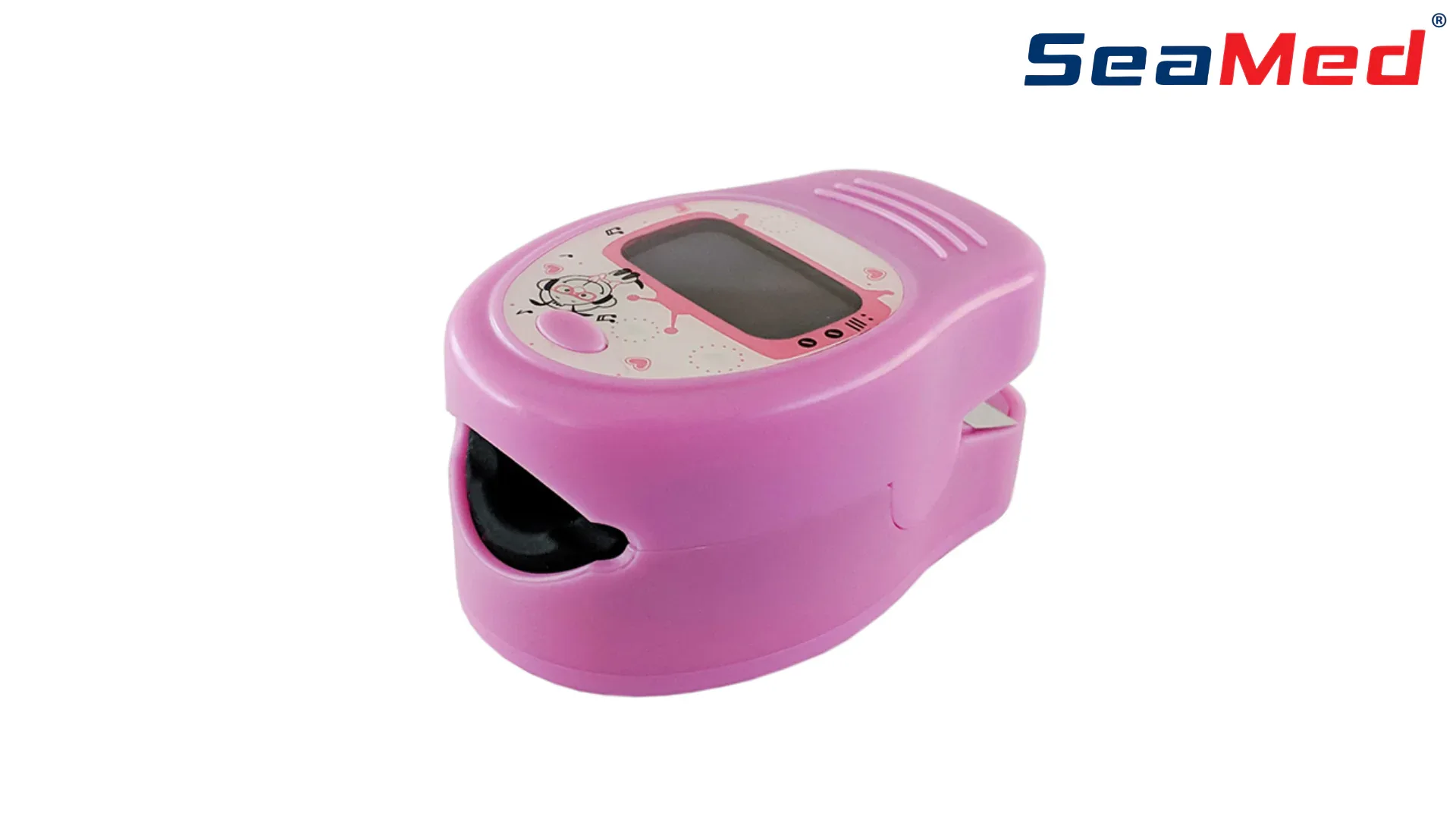
SEAMED PEDIATRIC FINGER TYPE PULSEOXIMETER

  • Lightweight, small, easy to carry with carrying case and strap.
  • Accurate measurement of SpO2 and pulse rate values;
  • Sp02, pulse rate, PI, heart rhythm and plethysmogram display on the color screen;
  • 4-way display and various display modes;
  • Automatic measurement start after being placed on the finger,
  • Automatic signal shutdown if no signal is received for 4 seconds;
  • More than 30 hours of continuous operation with 2 AAA batteries;
  • Visual and auditory alarms;

Detailed Description

Pulse oximeters are one of the important devices widely used in the medical field. These devices allow patients to monitor and evaluate their oxygen levels by measuring their oxygen saturation (SpO2) and pulse rate. Pulse oximeters are used in many healthcare areas such as patient monitors, intensive care units, operating rooms, emergency services and home care. As a working principle, pulse oximeters consist of a light source and photosensors. The light source usually uses infrared and red light. This light is directed to an applied area of ​​the patient's skin. Photosensors measure the amount of light reflected or absorbed. The flow of arterial blood through the tissue, together with the pulse, determines the oxygenation status. This information is analyzed by the pulse oximeter and displayed on the screen as SpO2 value and pulse rate. SpO2 (Oxygen Saturation): It expresses the oxygen saturation level of the blood as a percentage. A normal SpO2 level is usually above 95%. Pulse Rate: Measures heart rate and is expressed as the number of beats per minute. Pulse rate reflects the rate of circulation in the body. Perfusion Index (PI): Measures the strength of the pulse and arterial blood flow. It is used to evaluate vascular health and tissue perfusion.

Highlighted specifications: Lightweight; small; easy to carry with carrying case and strap.|Accurate measurement of SpO2 and pulse rate values; |Sp02; pulse rate; PI.