Bogdanika
Handheld Ultrasounds

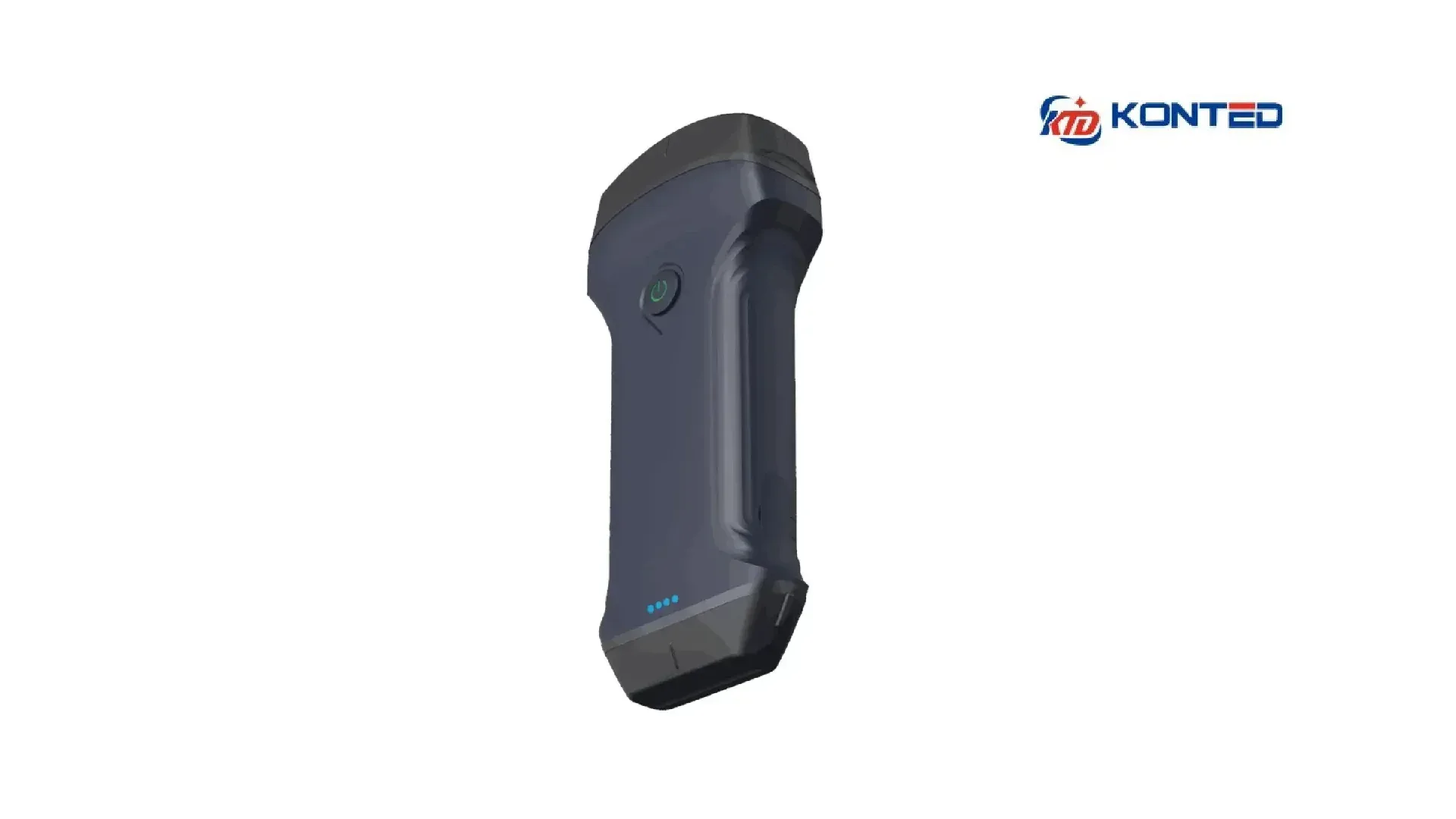
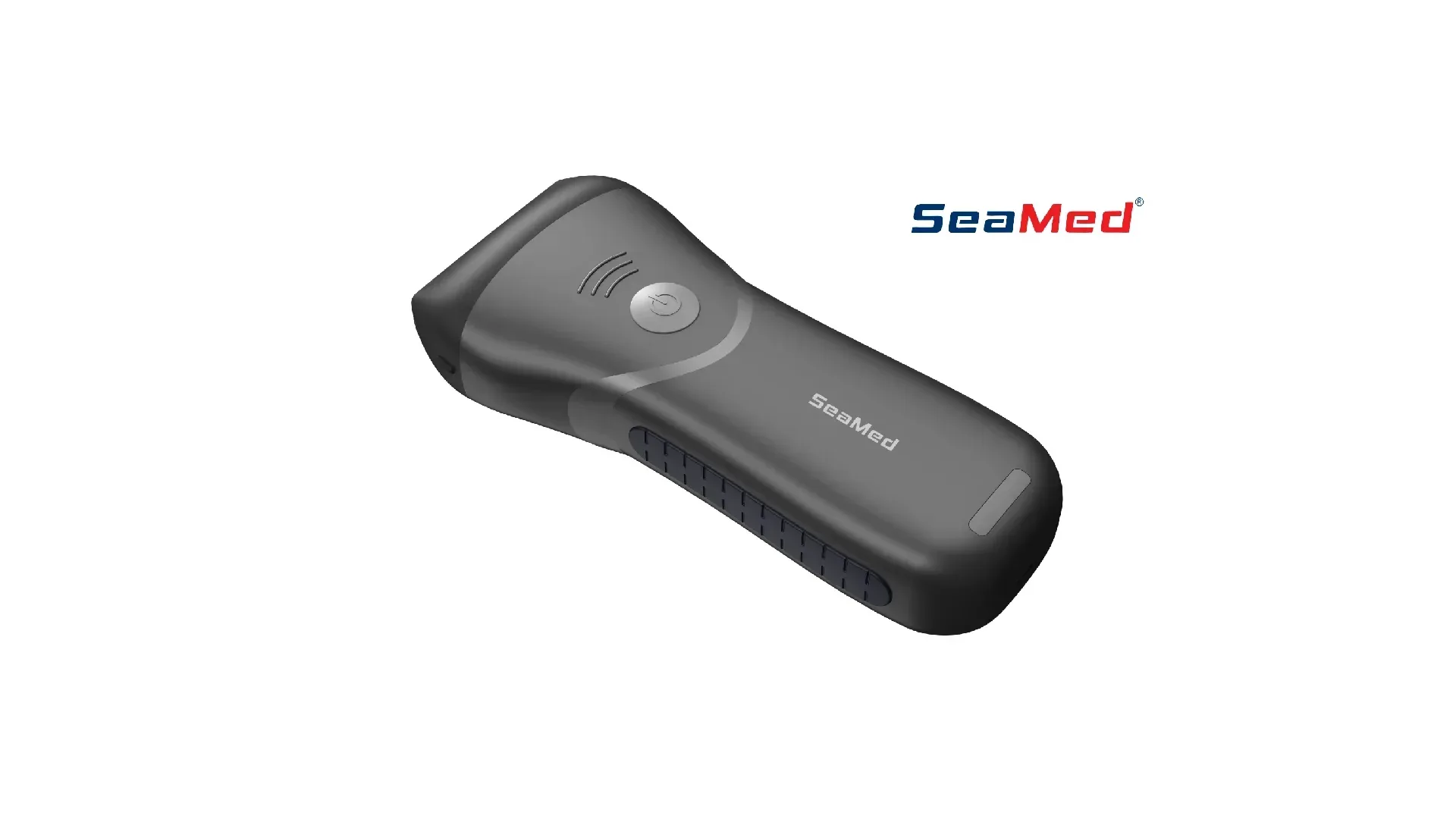
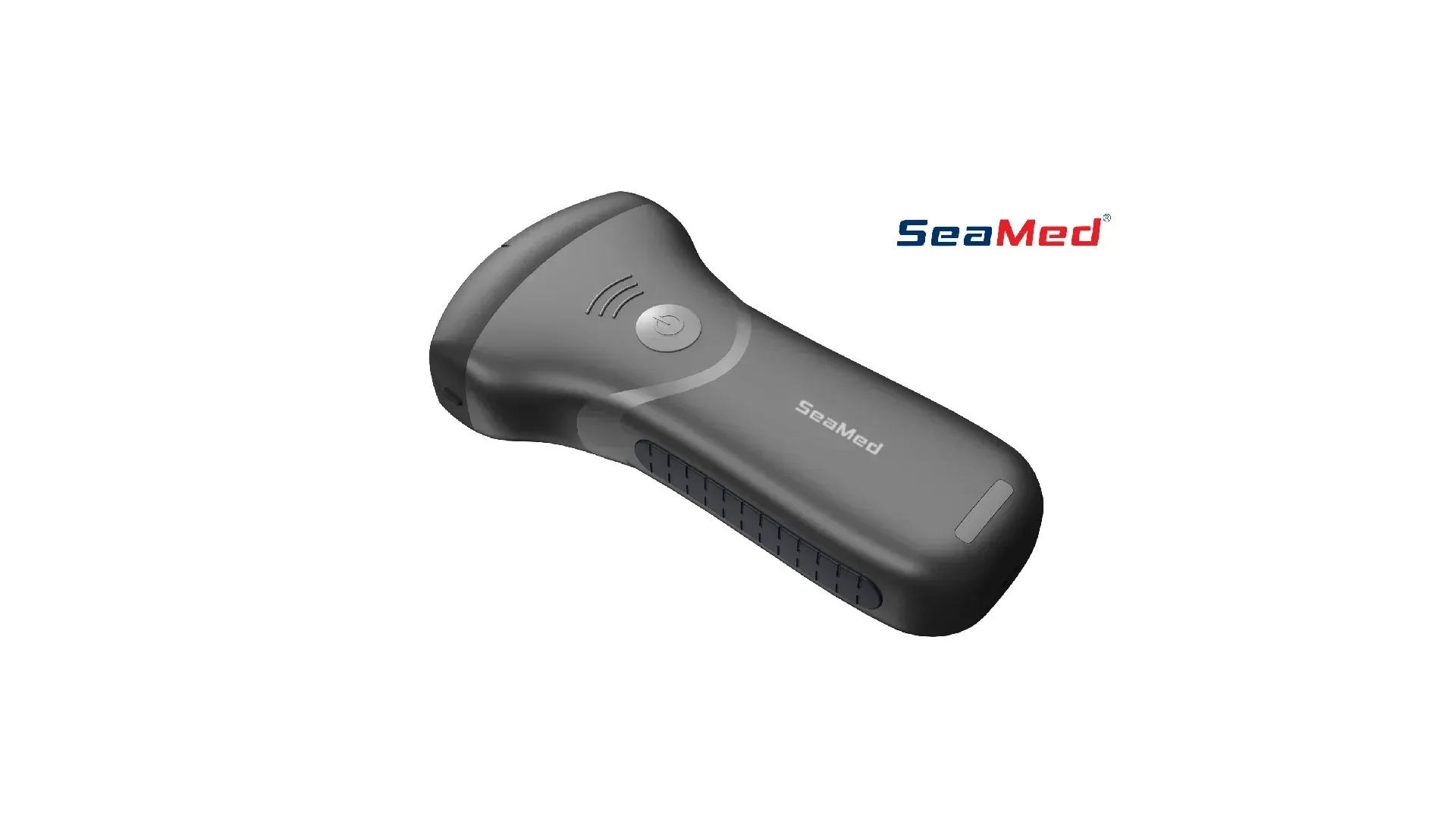
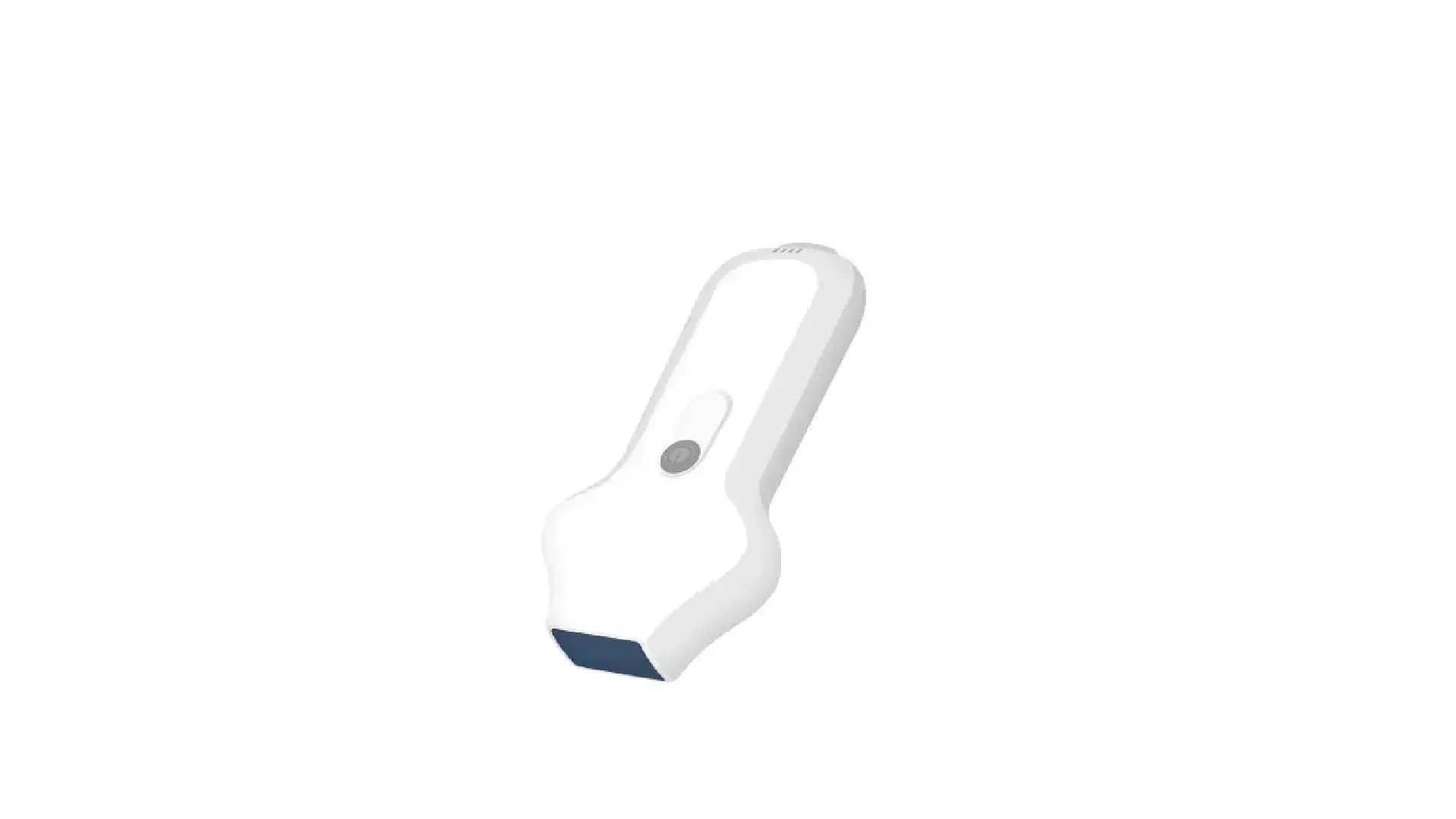
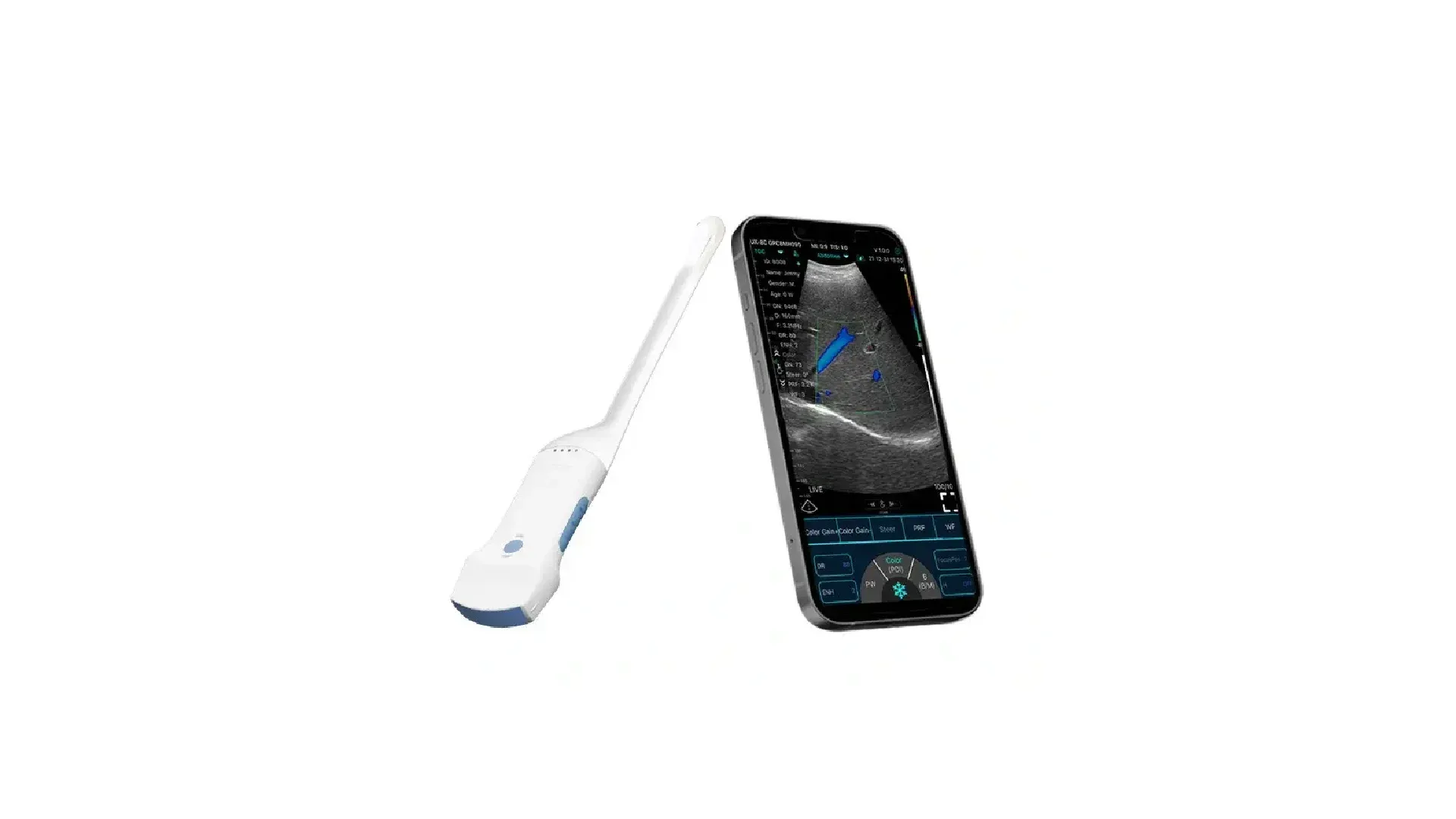
CONTED CONVEX + TRANSVAGINAL HAND-HOLD WIRELESS ULTRASOUND

  • 128 Element Encavity & Convex Dual Probe
  • 251g, Easy to Carry
  • Android, IOS and Windows Compatible App
  • 80°/149° Scanning Angle
  • B, B+B, B+M, Color, PW/CE, PDI, B+Color+PW Imaging
  • Type-C USB Wireless Charging and Type-C USB Connection
Detailed Description

Handheld ultrasound devices are portable and easy-to-use medical devices that allow obtaining ultrasonography images. These devices create images of organs and tissues within the body using sound waves. Handheld ultrasound devices have become a valuable tool in diagnosis and treatment processes by providing healthcare professionals with a fast and portable solution. These devices are often used in places such as emergency rooms, ambulances, home visits, sports medicine and military fields. It is an ideal solution for quickly obtaining images and making a diagnosis, especially in remote areas or places with limited access. The working principle of handheld ultrasound devices is the use of high-frequency sound waves. The device sends ultrasound waves to body tissues and these waves return with reflection of the tissues. The device detects these returning sound waves and creates an image through a computer. These images allow doctors to examine organs, blood vessels, muscles and other structures. Handheld ultrasound devices contain medical-technical terms. For example, a part at the end of the device called a "transducer" sends and receives ultrasound waves. "B-mode" refers to the imaging mode that the device creates from reflected sound waves. The term "gain" refers to the settings used to control image quality. "Doppler" is a technique used to monitor blood flow or evaluate heartbeats.

Highlighted specifications: 128 Element Encavity & Convex Dual Probe|251g; Easy to Carry|Android; IOS and Windows Compatible App|80°/149° Scanning Angle|B; B+B; B+M; Color.

Notable measurement and performance values include Probe.