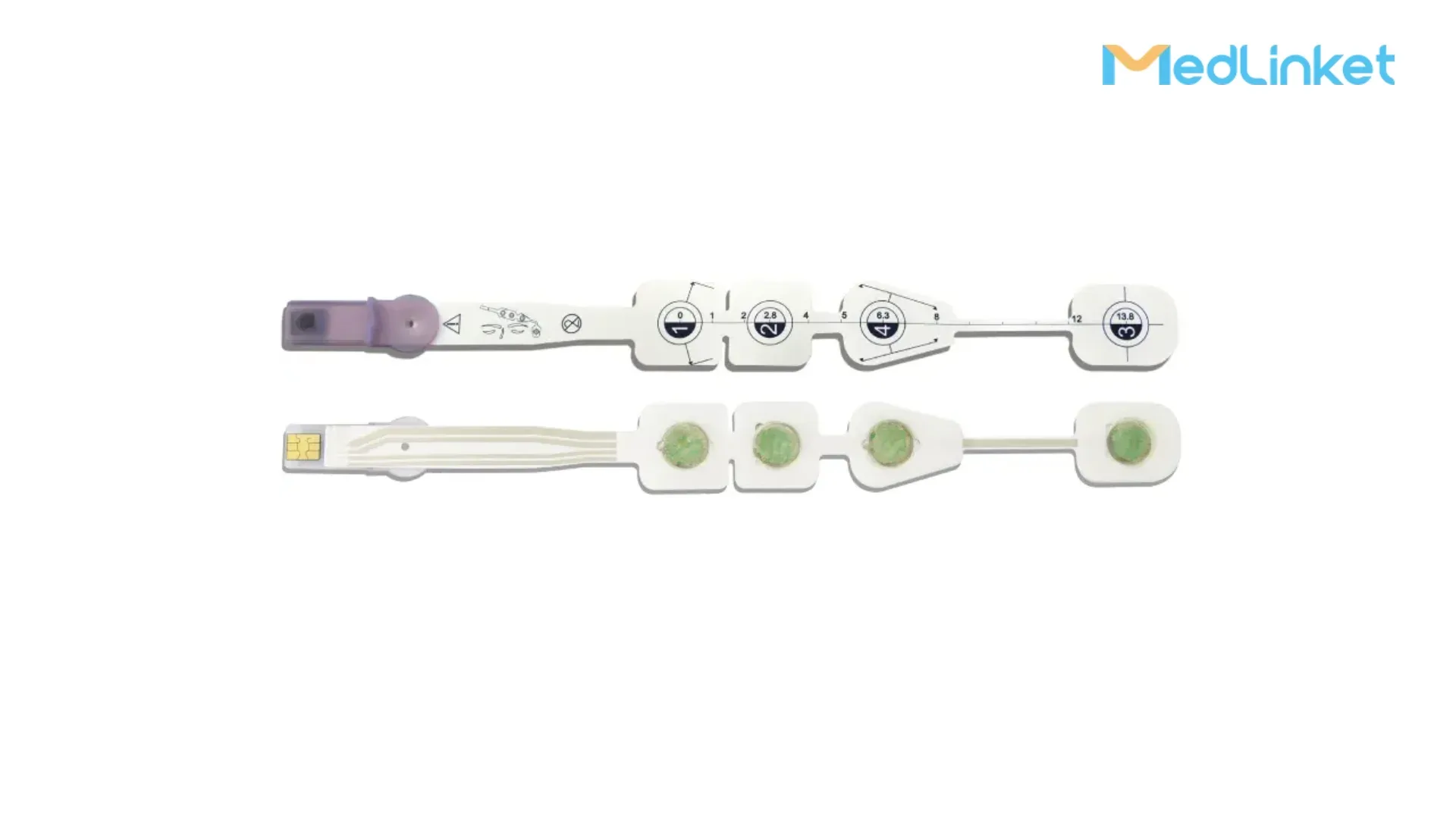
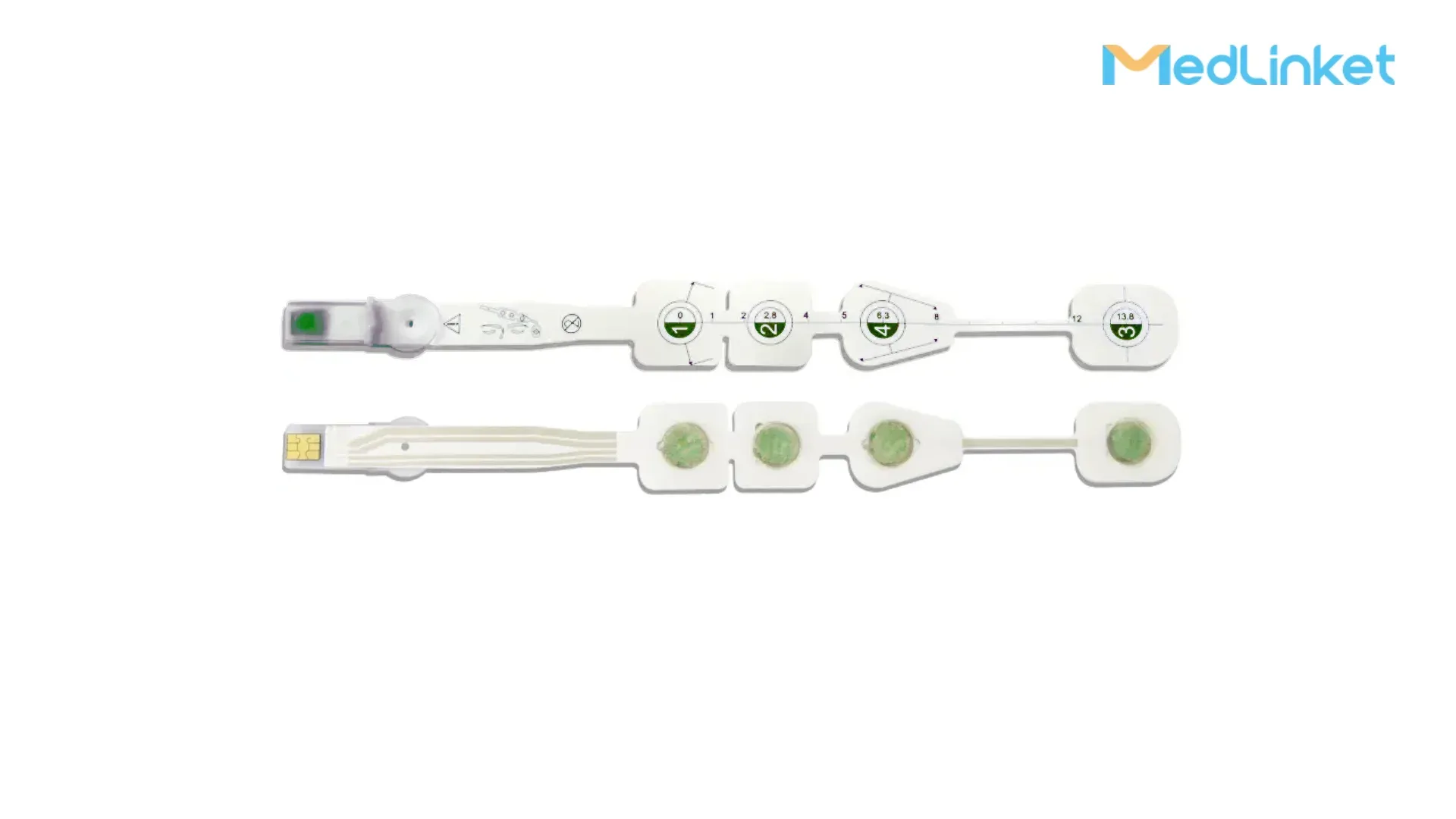
The safety of patients during surgery directly depends on the effectiveness and correct application of anesthesia. At this point, the Anesthesia Depth Monitor, also known as the BIS Monitor (Bispectral Index Monitor), is a vital device used to objectively evaluate the patient's level of consciousness during surgical interventions. This monitor, which analyzes brain waves, measures how deeply the patient responds to anesthesia, reducing the risk of over-anesthesia and helping to prevent under-anesthesia situations. The BIS monitor detects EEG (electroencephalogram) signals through electrodes placed on the patient's head. These signals are evaluated as a score between 0 and 100 with the help of an algorithm. Values between 40-60 generally represent the appropriate range for surgical anesthesia. Thanks to these values, the anesthetist can see in real time whether the patient is sufficiently sedated and adjust the dosage accordingly. Patient Safety: Helps prevent postoperative complications by reducing the risk of excessive sedation.